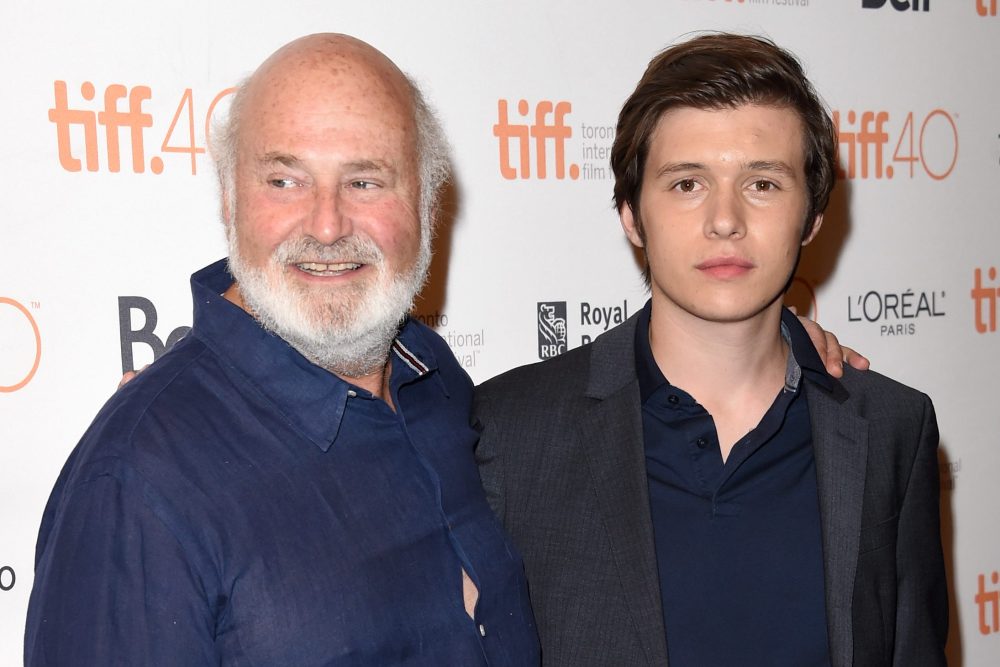
In the immediate aftermath of the tragic deaths of filmmaker Rob Reiner and his wife Michele Singer Reiner, a stunning surge of public grief quickly turned into national controversy — not over the crime itself — but over the remarks made by President Donald Trump in response to the tragedy.
On December 14, 2025, celebrated director Rob Reiner and his wife Michele were found dead at their Brentwood, Los Angeles home with apparent stab wounds. Law enforcement agencies, including the LAPD’s Robbery-Homicide Division, launched an investigation that led to the arrest of their 32-year-old son, Nick Reiner, on suspicion of murder. The couple’s daughter reportedly discovered the bodies — a devastating scene that has rocked Hollywood and the broader cultural world.
Trump’s New Foreign Policy Doctrine: Not a Shadow War—But a Global Reordering in Plain Sight
Reiner, 78, was a towering figure in American film and television, beloved for his role as Michael “Meathead” Stivic on All in the Family and revered as the director of classics such as Stand By Me, The Princess Bride, A Few Good Men, and When Harry Met Sally. His wife, Michele Singer Reiner, 68, was an accomplished photographer and producer who collaborated with him, including on projects that shaped Hollywood’s cultural landscape.
In the midst of nationwide sorrow, many public figures offered tributes. Friends and colleagues remembered the couple for their artistry, activism, and deep commitment to family and justice. Maria Shriver described them as “really good parents” whose laughter and love were central to their lives, while others honored their contributions to film, activism, and LGBTQ+ and civil rights movements.
But instead of joining this outpouring of sympathy, President Trump chose a markedly different path.
A Response That Broke Norms — or Something Worse?
On December 15, 2025, less than 24 hours after the deaths were announced, Trump posted a message on his social media platform Truth Social that reframed the tragedy in starkly political terms. Without evidence and with no indication of an official link between the crime and politics, Trump suggested that Rob Reiner’s outspoken criticism of him had contributed to the couple’s deaths, describing Reiner as afflicted with what he called a “mind-crippling disease known as TRUMP DERANGEMENT SYNDROME.” He additionally described Reiner as “a tortured and struggling” man whose “rage” at him drove people “crazy.”
Rather than expressing condolences, Trump doubled down in subsequent comments, labeling Reiner “deranged” and reiterating his disdain for the late director — even as law enforcement continued to treat the incident as a domestic homicide.
Bipartisan Backlash and Public Outrage
The reaction was swift, broad, and deeply critical.
Senators and representatives from both parties condemned the president’s words as insensitive and disrespectful. Republican Representative Thomas Massie called the remarks inappropriate and urged compassion, emphasizing that a brutal family tragedy was no place for political rhetoric. Even fellow conservatives, like Marjorie Taylor Greene, criticized the tone, arguing that the moment demanded empathy rather than an attack.
Democratic leaders and former officials echoed these sentiments. California Governor Gavin Newsom called Trump’s politicization of the tragedy “beneath the office of the presidency.” At the same time, former Obama adviser David Axelrod said the reaction displayed a “lack of empathy” at a time of profound loss.
Entertainment figures and celebrities also weighed in. Actors and directors alike condemned the president’s response as “heartless” and “disgusting,” calling for privacy and respect for the grieving family. Some likened it to a violation of basic human decency that undermines national unity, especially during a time of mourning.
What This Reveals About Leadership and Polarization
The controversy exposed far deeper tensions in American political culture — tensions that linger long after policy debates and election cycles and seep into collective responses to tragedy.
Rob Reiner was not only a luminary in entertainment; he was a consistent, vocal critic of Trump’s politics. Over the years, Reiner spoke out against what he viewed as Trump’s threats to democratic norms and civil liberties. Yet there is no credible evidence linking Reiner’s political expression to his death, much less suggesting that ideological opposition had any causal relationship with the violent act that authorities are investigating.
By framing the moment as a reflection of his detractors’ “anger,” the president blurred the line between political disagreement and grief. This choice didn’t merely draw criticism — it resurrected a broader conversation about presidential decorum, the responsibilities of public office, and how leaders speak about opponents in life and in death.
Many commentators — even some within Trump’s political base — suggested that the post was a misstep that diverted attention from the tragic story of two people’s deaths and toward an avoidable political flashpoint. One social media thread trending on Reddit described the response as a moment where even Trump’s loyal supporters recoiled at the tone, signaling discomfort with turning murder
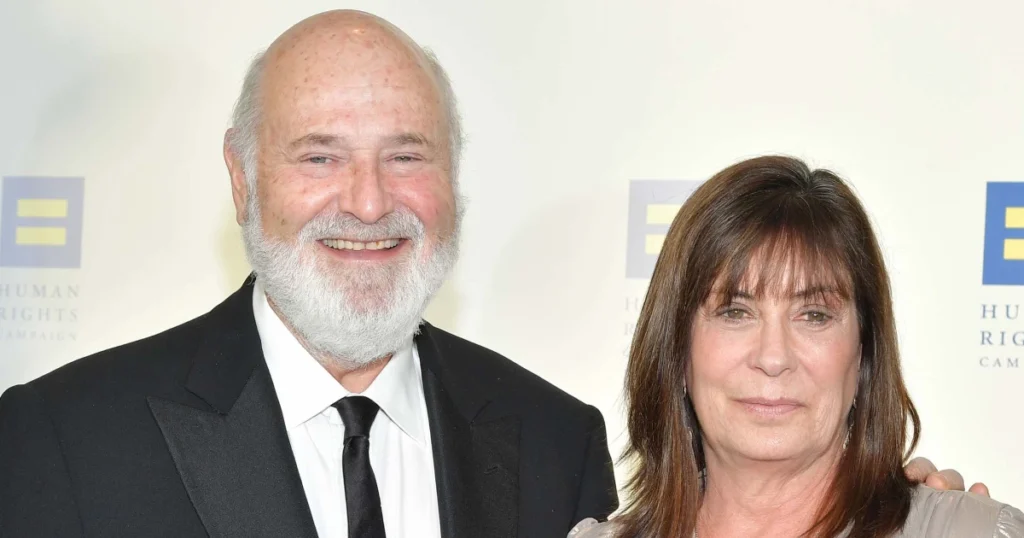
Rob Reiner and Michele Singer Reiner attend an event in Los Angeles in 2019. Amy Sussman / Getty Images
The Broader Social Implications
Experts in mental health and political rhetoric weighed in as well, emphasizing that stigmatizing language — such as repeated references to “derangement” — can trivialize serious issues like addiction, tension, and grief. These concerns are separate from the criminal investigation, which authorities have treated as a homicide case tied to family strife, not political conflict.
The episode has also fueled a broader societal discussion about how tragedies involving public figures are handled by leaders, especially in an age where social media amplifies every word.
Is political weaponization of incidents — even tragic ones — a reflection of deep societal divides? Or is it a dangerous normalization of self-referential rhetoric that undermines the unifying potential of leadership?
These are not just abstract questions. They are questions about the tone and character of public life in a nation shaped by conflict, empathy, partisanship, and loss.
Conclusion: Mourning, Politics, and the Presidential Tone
In the wake of an awful personal tragedy, many Americans sought comfort in remembering Rob and Michele Reiner as artists, parents, and contributors to culture and civic life. Tributes from figures as diverse as Maria Shriver and political leaders across ideological lines underscored a shared sense of loss.
Yet the national conversation pivoted almost instantly from mourning toward a heated battle over presidential tone, propriety, and polarization — illustrating once again how even deeply personal events are interpreted through the lens of politics.
In a nation already sharply divided, the question remains whether leadership should seek to bridge divides in moments of sorrow — or exploit them in moments of advantage.
Only time will tell what legacy this moment leaves on the public discourse — but the outrage, grief, and debate it sparked are all unmistakably real.