
Uneven Ascendance: China’s Rise and the Shifting World Order
China’s rapid rise is reshaping global power, as shifting U.S. policies and trade wars push Western allies toward Beijing.
China’s rapid rise is reshaping global power, as shifting U.S. policies and trade wars push Western allies toward Beijing.
Iran’s massive protests amid economic collapse create a geopolitical flashpoint that could reshape U.S. strategy, nuclear policy, and regional balance.
China transformed rare earth elements into geopolitical leverage, dethroning U.S. dominance and asserting itself as the world’s newest superpower.
Hamas freed hostages and Israel pulled back troops, but disarmament and recognition demands make Trump’s Gaza peace plan fragile.
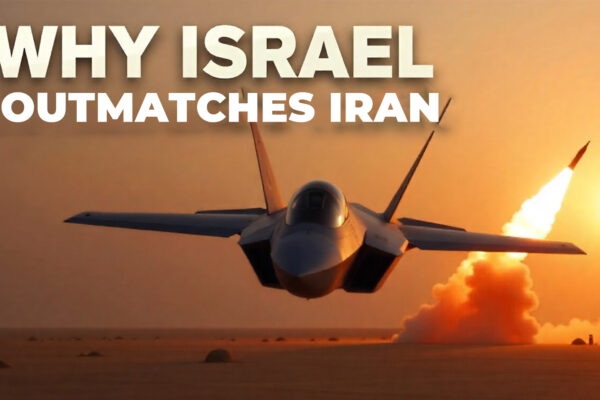
Despite Iran’s larger military, Israel’s technological edge, intelligence strength, and U.S. backing keep it strategically dominant in conflict.
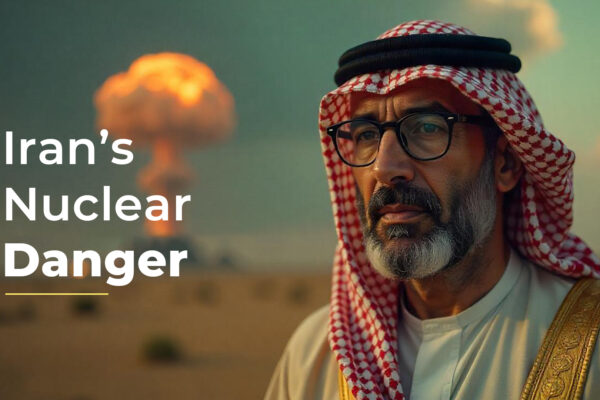
Post-JCPOA Iran races toward bomb-grade enrichment, secret facilities evade oversight, airstrikes delay progress—making diplomacy more vital than ever.
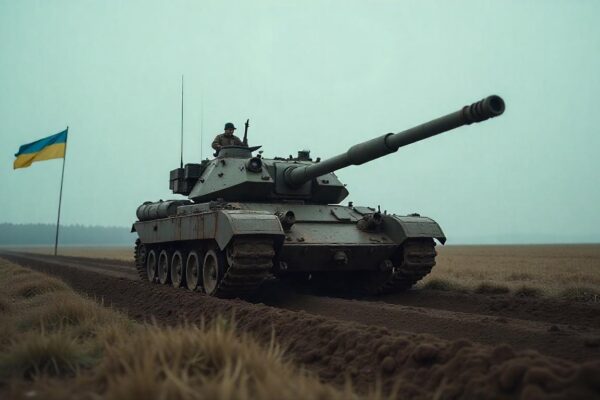
Israel uses airpower, covert drones, and cyber warfare to degrade Iran’s defenses; Tehran responds with drone-missile swarms and proxy escalation.
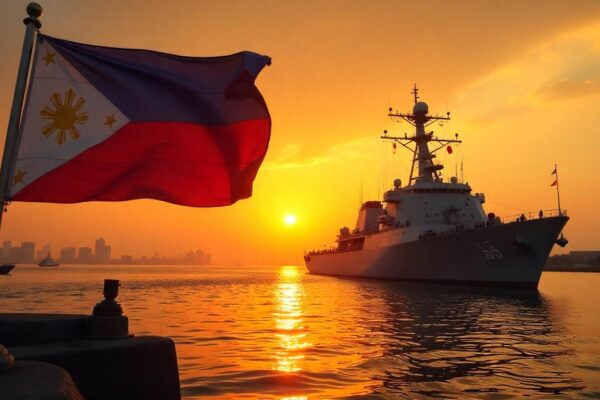
Massive U.S. military shipments arrive in the Philippines, signaling a bold move to counter China’s growing influence in Asia.
Russia’s outdated tactics and logistical failures are no match for Ukraine’s precision warfare and international support, reshaping modern battlefield dynamics.
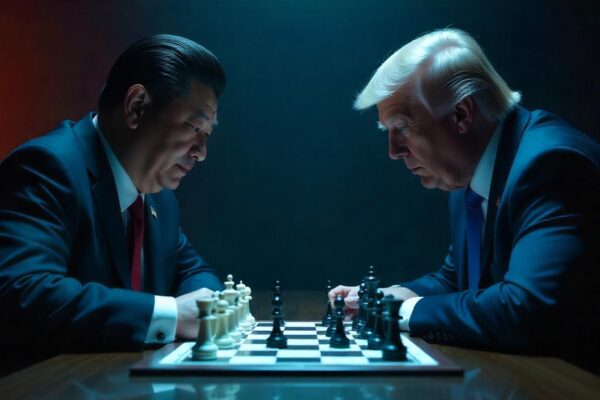
Trump’s trade war is backfiring, strengthening China’s global dominance while U.S. businesses and consumers bear the brunt of economic turmoil.