One day after a sweeping halt on immigration from 19 predominantly non-white nations, families are stranded, legal battles intensify, and America confronts the ghosts of its past
The New Freeze and the Old Divide
The United States has entered a new, volatile chapter in its immigration story. On December 2, 2025, the Trump administration ordered an immediate freeze on immigration processing from 19 countries — all located in Africa, the Middle East, Latin America, and Southeast Asia. The pause applies not only to visa applicants abroad but also to thousands already inside the United States who were on the brink of securing green cards, asylum approvals, or even U.S. citizenship.
For many families, the timing was devastatingly personal. In Minneapolis, a Somali permanent resident who had waited nearly seven years to take her citizenship oath was turned away at the door. In Miami, Haitian nurses with pending green cards had their interviews cancelled without warning. Eritrean, Afghan, Sudanese, and Venezuelan families report similar stories from Seattle, Denver, Houston, and Columbus.
The freeze is sweeping. But so is the backlash.
According to internal DHS communications leaked to multiple news organizations, adjudicators were instructed to pause all final decisions involving applicants born in or holding citizenship from Afghanistan, Burma (Myanmar), Burundi, Chad, the Republic of the Congo, Cuba, Equatorial Guinea, Eritrea, Haiti, Iran, Laos, Libya, Sierra Leone, Somalia, Sudan, Togo, Turkmenistan, Venezuela, and Yemen.
These countries mirror — almost exactly — the list targeted in Trump’s earlier June 2025 restrictions, which focused on travel and visa issuance. But the December order goes much further: it halts naturalization, adjustment of status, asylum approvals, refugee admissions, and family-based petitions tied to these nations.
This is not a symbolic gesture. It effectively locks more than 100,000 immigrants into legal limbo, according to 2024 USCIS caseload data.
No European country appears on the list.
The Trigger: A Washington, D.C. Attack and a Political Flashpoint
The timing of the freeze follows a politically explosive event:
the November 2025 shooting of two West Virginia National Guard members during a deployment rotation in Washington, D.C.
The suspect, Rahmanullah Lakanwal, is an Afghan man who entered the United States in 2021 as part of Operation Allies Welcome, the emergency evacuation following the fall of Kabul. His asylum claim was approved earlier in 2025.
While the FBI has confirmed that the investigation involves possible terrorism motives, authorities have not publicly linked the attack to broader Afghan resettlement or to any of the 19 nations now caught in the freeze.
Nevertheless, President Trump used the tragedy as a catalyst to argue that “unvetted migrants” from “failed states” pose a systematic danger. In a Truth Social post, he promised to “permanently pause migration from all Third World countries,” language that immediately drew comparisons to the 2017 travel ban — and to the racialized immigration restrictions that shaped American law before 1965.
Security Measure or Racial Sorting?
The administration defends the freeze as a necessary security recalibration. DHS officials claim that several of the affected countries have “severely deficient information-sharing,” while the State Department insists the pause allows agencies to “review vulnerabilities” in vetting procedures.
But critics see a different pattern.
All 19 nations share three characteristics:
- They are overwhelmingly non-white,
- Many are Muslim-majority, and
- Most are low-income or politically unstable.
Notably absent:
countries that have produced recent attackers on U.S. soil (including Russia, several EU states, and even domestic extremist networks). This disparity has fueled accusations that the policy reflects racial and geopolitical bias more than empirical threat analysis.
Civil-rights groups point out that the 2025 freeze closely resembles Trump’s 2017 Muslim Ban — a policy the U.S. Supreme Court initially blocked due to overt discriminatory intent, before later allowing a narrowed version to stand.
The ACLU, the National Immigration Law Center (NILC), and several state attorneys general are preparing lawsuits challenging the new directive on similar grounds: equal protection violations, religious discrimination, and executive overreach.
The Human Cost: Families in Suspension
It is difficult to overstate the emotional and financial toll on those caught mid-process.
- Somali, Eritrean, and Sudanese applicants with already-scheduled interviews have had their appointments summarily cancelled.
- Thousands who passed their naturalization exams — some months ago — now face indefinite postponement.
- Haitian and Venezuelan families with Temporary Protected Status (TPS) fear the freeze signals broader rollbacks.
- Afghan evacuees who assisted U.S. forces are again trapped in bureaucratic uncertainty despite having passed security checks.
Immigration lawyers report surges of panic among clients.
As AILA’s policy director described it:
“This is the closest thing we’ve seen to a system-wide stop sign. People who did everything right are told: ‘Not you. Not now. Maybe not ever.’”
Economic Shockwaves: Who Really Gets Hurt?
While the administration insists the freeze will “protect American workers,” economists warn the opposite.
The affected nations disproportionately supply labor in sectors experiencing chronic shortages:
- Somali and Eritrean workers in meat processing, manufacturing, and logistics
- Haitian and Congolese immigrants in nursing, elder care, and hospitality
- Burmese and Laotian immigrants in agriculture and food services
- Venezuelans in construction and technical trades
According to state-level data:
- The Somali community in Minnesota alone contributes more than $160 million annually to the local economy.
- Haitian nurses play a stabilizing role in Florida and Massachusetts health systems.
- Eritrean and Sudanese communities are pillars of West Coast logistics and service industries.
A blanket freeze risks disrupting not only families but regional economies.
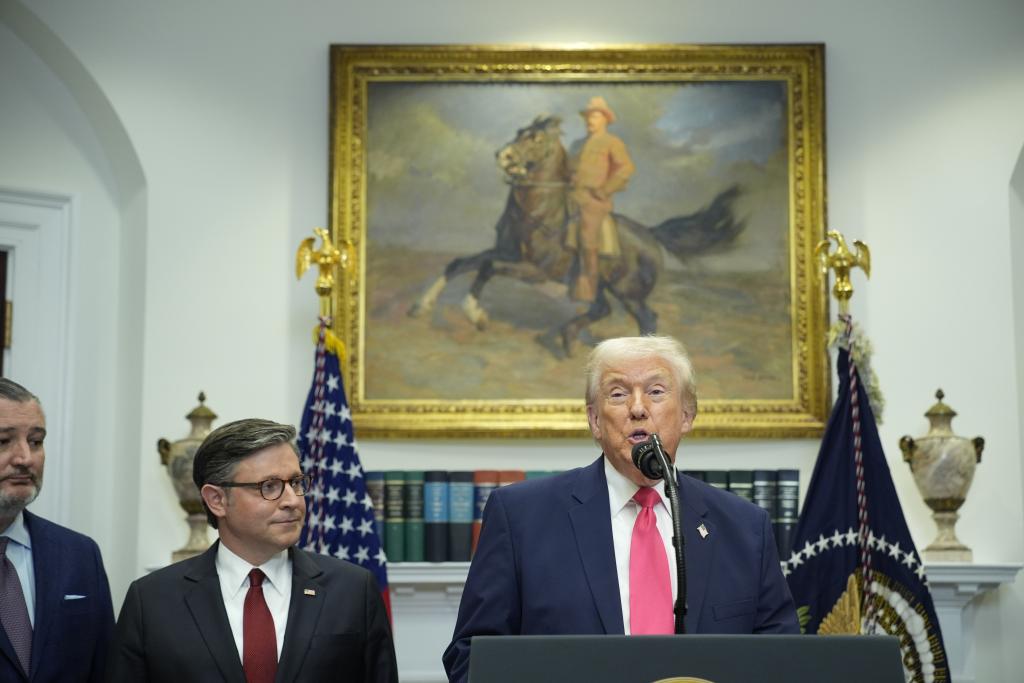
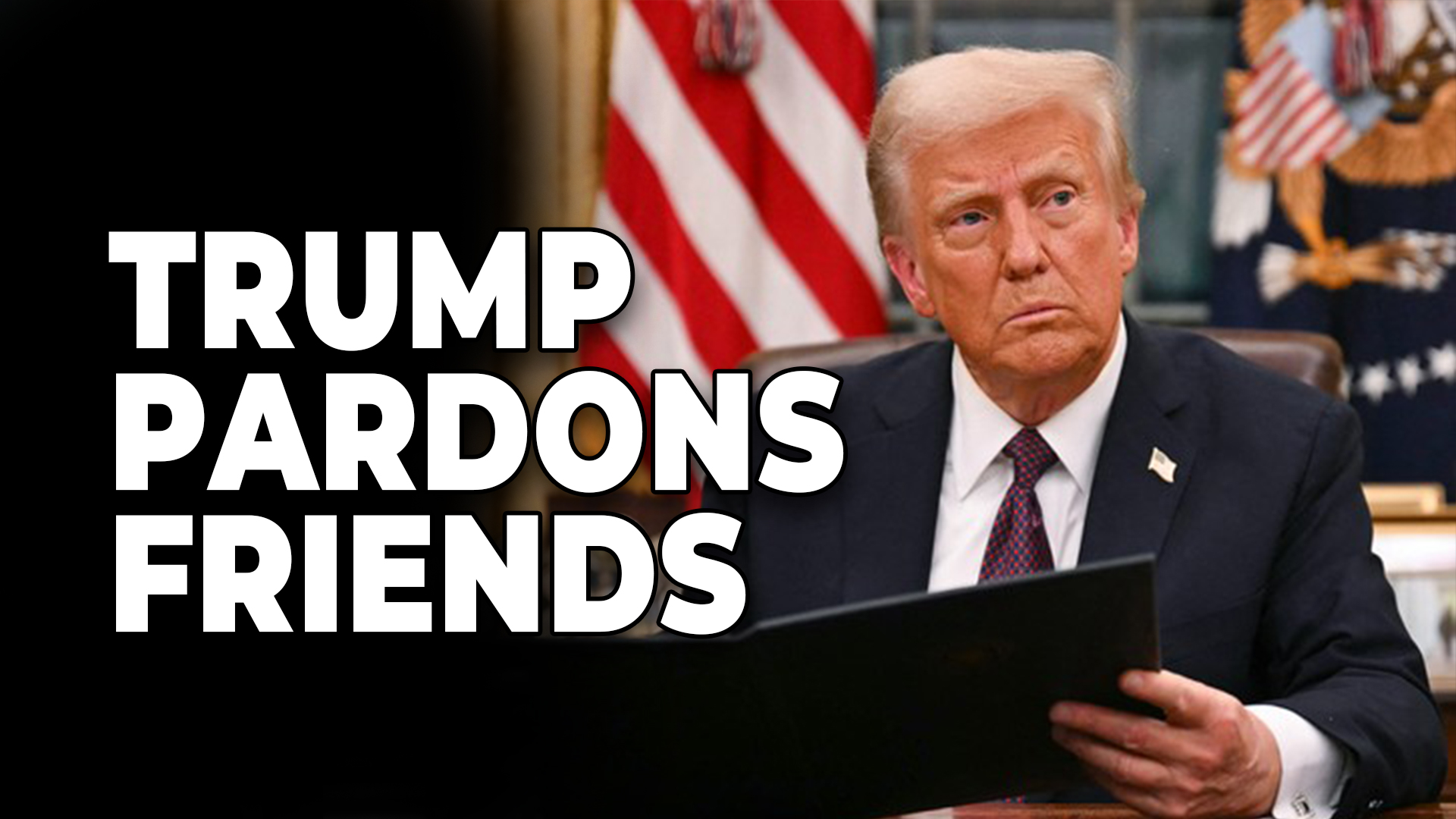
Trump has frozen immigration applications from 19 countries over possible terror threats. Ron Sachs/CNP / SplashNews.com
A Nation at a Legal and Moral Crossroads
The freeze sets up a showdown likely to echo the legal battles of 2017–2020:
- Federal courts will examine whether the policy is grounded in legitimate national-security criteria
- Plaintiffs will argue that its impact and intent amount to racial discrimination cloaked in administrative language
- Congress remains sharply divided, with Republicans framing the freeze as “common sense” and Democrats decrying it as “a color-coded suspension of the American Dream”
International condemnation has already begun.
African Union leaders call the freeze “collective punishment.”
Latin American diplomats warn of retaliatory visa restrictions.
European allies privately express concern that the move undermines global refugee agreements.
The Verdict: Protection or Projection?
In the end, the freeze raises the same old American question:
Who is worthy of belonging?
The administration frames it as a shield.
Opponents say it is a border drawn not by law, but by race, class, and geopolitics.
Both may be true — and that is what makes this moment so perilous.
As one immigration advocate wrote:
“This is not just a pause. It is a redefinition of who we imagine as American.”
Whether the courts, Congress, or voters will accept that redefinition remains the next chapter of this unfolding story.